N95 vs. KN95 vs. Cloth: Which Mask Actually Stops Wildfire Smoke
The label matters less than you think. The seal is what stops PM2.5 — here's which masks actually pull that off, and which ones just look reassuring.
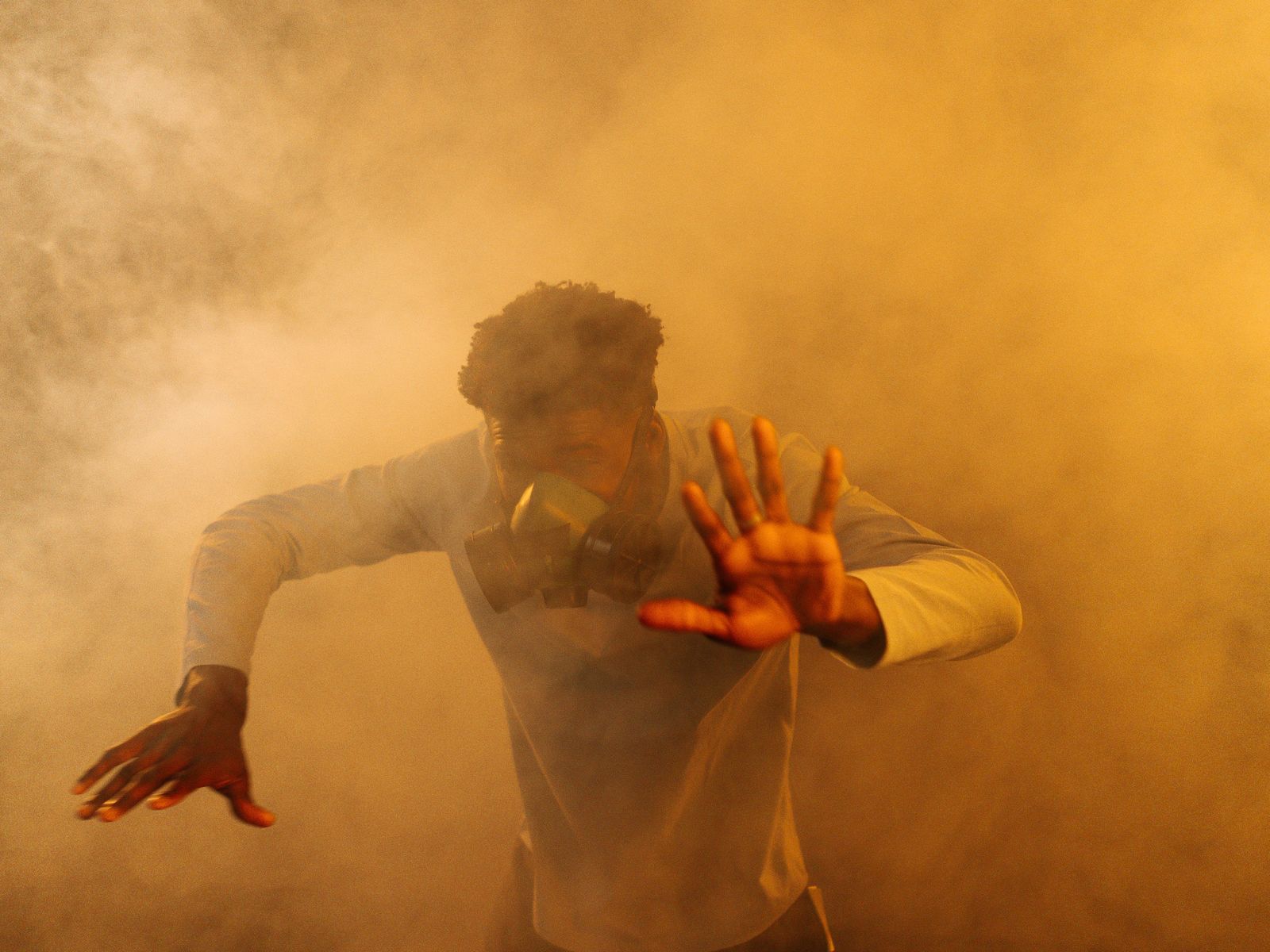
Here's the short answer: a mask only helps against wildfire smoke if it does two things at once — filters particles down to 2.5 microns (PM2.5, the size that gets deep into your lungs and bloodstream), and seals tight against your actual face with no gaps. Miss either one and you're just wearing a prop. A genuine NIOSH-approved N95, a real KN95 or KF94 that fits snug, or a P100 respirator can do the job. A surgical mask or a cloth mask, no matter how many layers, mostly can't.
The short version
- Surgical and cloth masks don't filter fine PM2.5 well and leak air around the edges — they're not real wildfire smoke protection.
- N95, KN95, and KF94 can all filter fine particles, but only if they seal against your skin with no gaps at the nose or cheeks.
- Facial hair, a loose fit, or an ill-fitting size breaks the seal and drops effectiveness fast, regardless of the mask's rating.
- N95s aren't made for infants or toddlers — clean indoor air, not a mask, is the real answer for very young kids.
- A mask is a stopgap for the hours you have to be outside. The bigger fix is knowing your actual air, and going somewhere it isn't this bad.
Why does the mask type even matter for smoke?
Wildfire smoke's danger isn't the smell — it's PM2.5, particles 2.5 microns or smaller, invisible individually, that slip past your nose's natural filtering and lodge deep in your lungs. A mask has to physically catch particles that small, which most everyday face coverings were never built to do. Surgical masks were designed for droplets in a clinical setting. Cloth masks were a pandemic improvisation. Neither one targets sub-micron smoke particles, and both fit loosely enough that unfiltered air just flows around the sides anyway.
Which mask actually blocks wildfire smoke particles?
Here's how the common options stack up, ranked by whether they filter fine particles and how consistently they seal:
| Mask type | Filters fine PM2.5? | Seal quality | Best use |
|---|---|---|---|
| NIOSH N95 | Yes — ≥95% of particles, including PM2.5 | Excellent when sized and fitted right | Daily driver for smoky days; the benchmark to beat |
| N95 with exhale valve | Yes for what you inhale | Excellent for the wearer; exhaled air isn't filtered | Long stretches outdoors or heavy exertion; skip if you're trying to protect people around you too |
| KN95 (genuine) | Yes on paper — ≥95% target | Good to variable; ear loops seal less consistently than N95 straps | Solid backup when it's authentic and sized to your face |
| KF94 | Yes — ≥94% target | Good; folded 3D shape tends to hug cheeks and chin | Comfortable multi-hour wear, often fits smaller faces well |
| Surgical / procedure mask | No | Poor — loose, open at the sides | Marginally better than nothing; not real smoke protection |
| Cloth mask | No, or negligible | Poor | Skip it for wildfire smoke entirely |
| P100 / elastomeric respirator | Yes — ≥99.97% | Excellent; silicone or rubber facepiece seals tightly | Heaviest smoke, yard work, or wildfire cleanup |
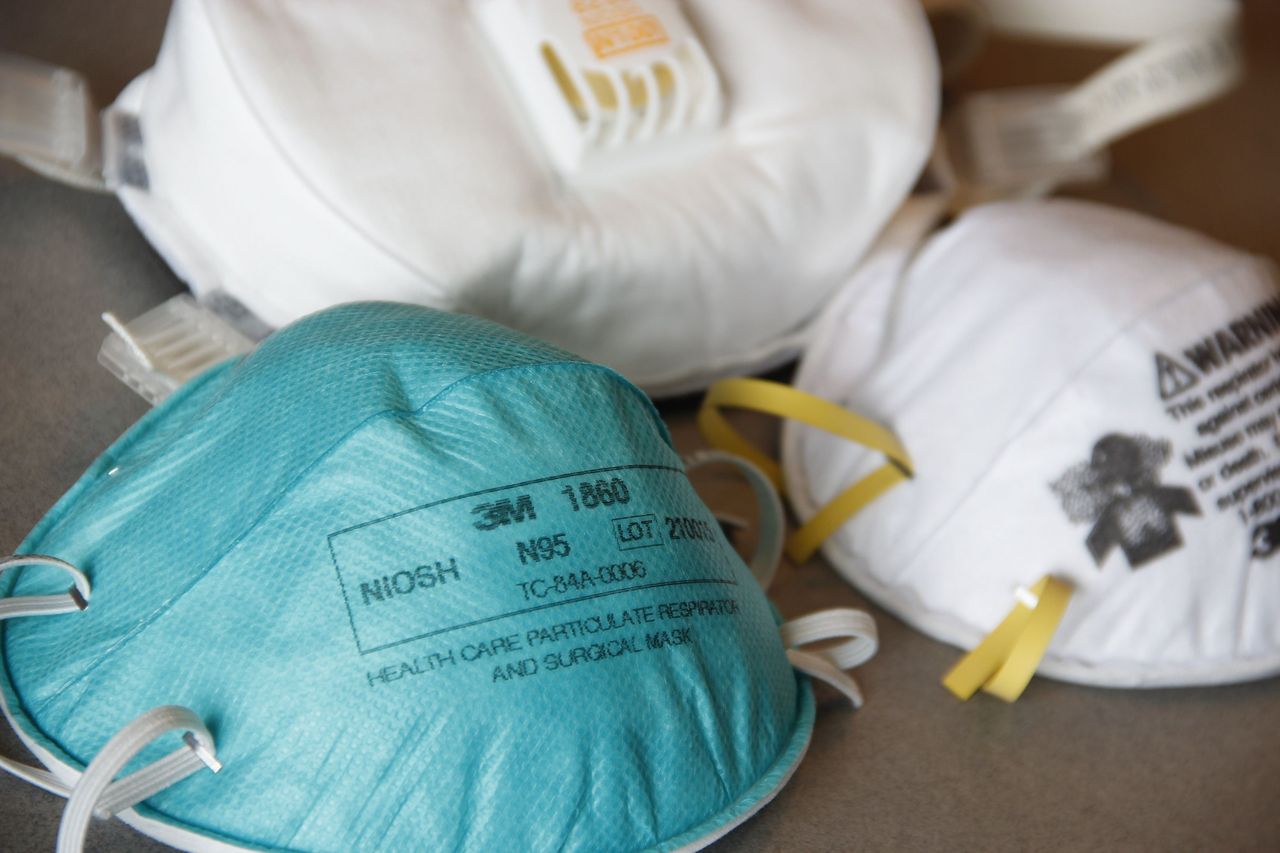
Does the seal really matter more than the rating?
Yes, and it's the single most common mistake people make. A mask rated to filter 95% of particles that's leaking air around your cheeks or chin might only be stopping a fraction of what actually reaches your lungs, because smoke-laden air takes the path of least resistance — straight through the gap. Facial hair is the biggest culprit: even light stubble breaks the seal along the jawline, and no amount of strap-tightening fixes it. If you have a beard, a properly fitted elastomeric respirator with a rubber seal will outperform an N95 every time. For everyone else, the fix is simpler: try a couple of sizes, do a seal check (exhale sharply and feel for air escaping at the edges), and adjust the nose bridge until it stays put.
What about masks for kids?
Kids over about age 2 can wear properly sized small or "kids" N95s and KN95s, and it's worth seeking those out specifically rather than cinching an adult mask down — a mask that's too big just funnels smoke straight past the seal. For infants and toddlers, don't mask them at all. There's no N95 made to fit that face, and forcing an adult-sized respirator onto a small child creates a real breathing and suffocation risk that outweighs any smoke benefit. The right move for the very young is keeping their indoor air clean — see our guide on wildfire smoke and babies for what that looks like in practice.
How do you spot a counterfeit N95?
Counterfeits are common enough that NIOSH keeps guidance on them. A genuine NIOSH-approved N95 has an approval number printed directly on the mask or strap in the format TC-84A-#### — you can look that number up. Red flags: no markings at all, claims of "NIOSH approved for children" (NIOSH doesn't certify masks for kids), decorative sequins, fabric, or valves layered over the filter surface, and sellers who can't produce the approval documentation. When in doubt, buy from a known industrial supplier or pharmacy rather than a marketplace listing with stock photos.
What if a mask feels unbearable during exertion?
Breathing through a well-sealed N95 or KN95 takes more effort, and that gets noticeably harder during physical work — raking leaves, hiking, biking. An exhale valve cuts that resistance a lot, which is why they're common for outdoor labor, but remember the tradeoff: the valve vents your breath unfiltered, so it protects you but not the people standing near you. If you're working hard outside on a smoky day, plan on shorter shifts with breaks in clean air rather than pushing through discomfort — that's usually a sign the mask is doing its job, not failing at it.
A mask is what you reach for on the way out the door. It's not a substitute for knowing what you're actually breathing once you're back inside, or for figuring out whether today is a day worth being outside at all. Check your city's real-time number before you decide how long to be out, and how much mask you actually need.
Sources & further reading. CDC NIOSH — National Personal Protective Technology Laboratory; EPA — Wildfire Smoke Course; AirNow — Wildfire Smoke Guidance.
This article is general information, not medical advice. Talk to a doctor about respiratory protection if you have asthma, COPD, heart disease, or are pregnant.
Common questions
Do surgical or cloth masks protect against wildfire smoke?
Not really. Surgical masks are designed to block droplets, not fine particles, and they gap at the sides and nose. Cloth masks filter almost none of the fine particulate matter (PM2.5) that makes wildfire smoke dangerous. Both are better than nothing at the margins, but neither is a real defense on a smoky day.
Can I put an N95 on my baby or toddler?
No. N95 respirators aren't made in sizes that fit infant or toddler faces, so they can't seal properly, and a loose mask forced onto a small child is a suffocation and comfort risk, not a protection strategy. For kids under about age 2, the answer is keeping them in cleaner indoor air rather than masking them.
What's the actual difference between N95 and KN95 masks?
N95 is the US NIOSH-approved standard, tested and certified by a federal lab, and it typically uses two head straps for a more consistent seal. KN95 follows a similar Chinese filtration standard (GB2626) with ear loops, which seal less reliably, and the market has more counterfeit and untested KN95 product circulating.
How can I tell if my N95 mask is a real, NIOSH-approved one?
Check for a NIOSH approval number printed on the mask or strap (format like TC-84A-####) and look it up on the NIOSH website. Genuine N95s never have decorative fabric, sequins, or valves stitched over the filter media, and legitimate approval markings are never on staples or bindings alone.